Know where to push back
See where to push back, where there’s room to negotiate, and what can stay. Recommendations reflect the deal, the negotiation history, and the client’s latest instructions.
Review contracts, research points of law, and draft legal documents with the matter’s context in view. Alloomi brings together the client correspondence, files, and playbooks you authorize. You review the work and make the judgment calls.
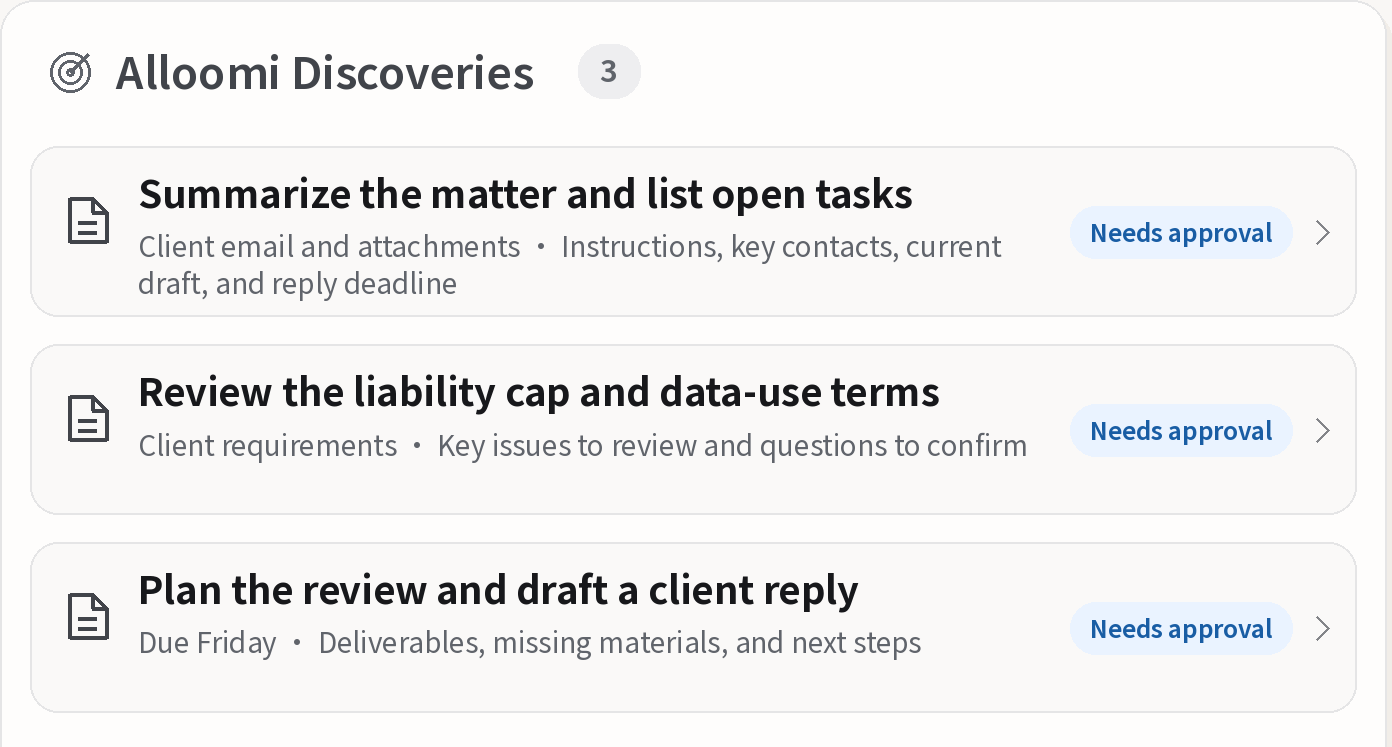
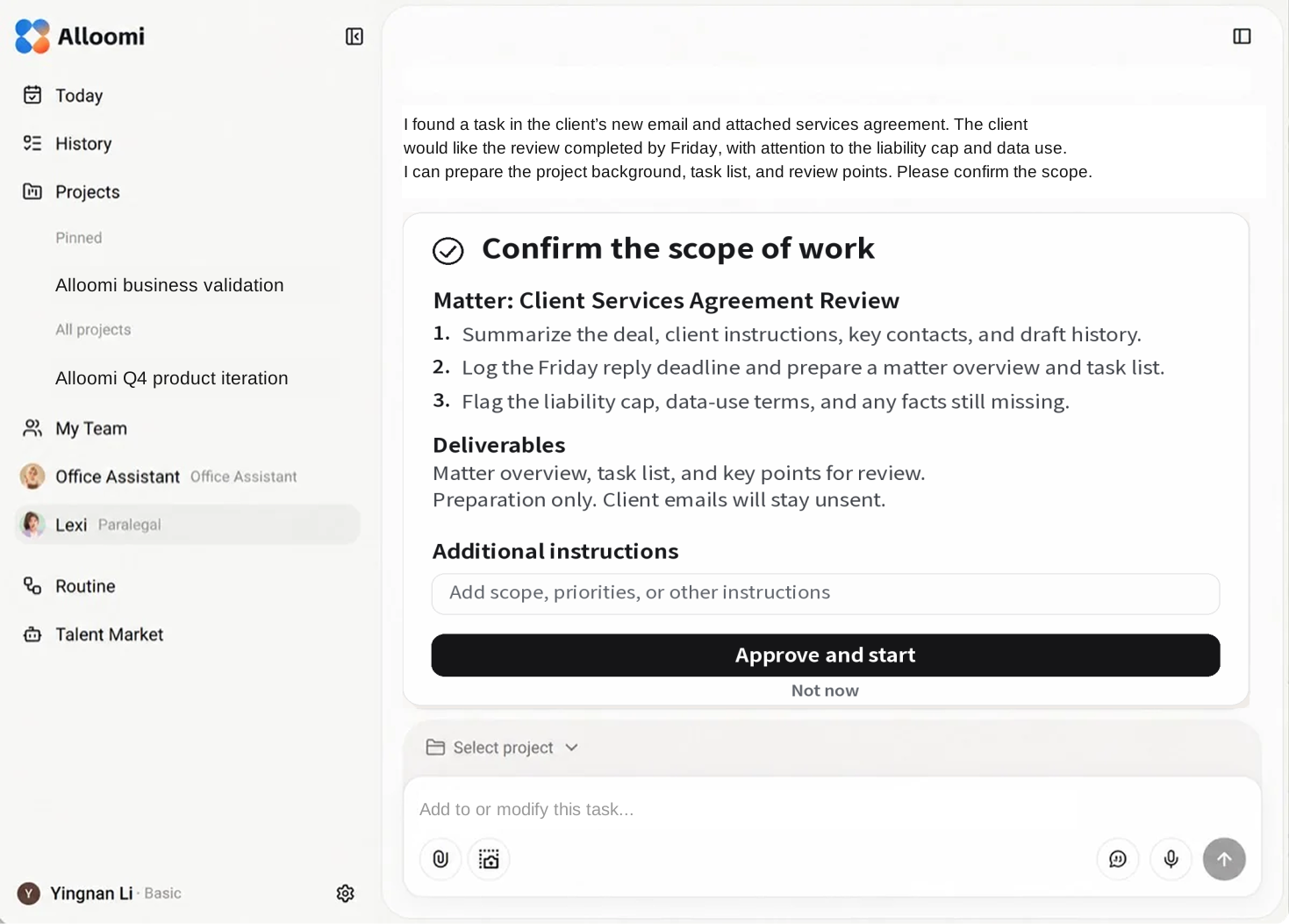
Assign a task directly or pick up an item Alloomi flags. If a client sends a revised agreement to a connected inbox, Alloomi can surface the draft, the reply deadline, and the matter files you’ll need. Check the sources and approve the scope before work begins.
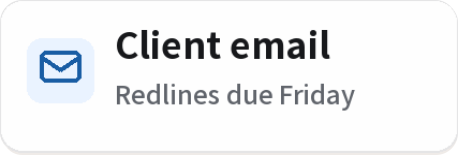
See the client’s instructions, the latest agreement, and the response deadline together. Spot conflicting instructions and missing facts.
Alloomi reads the agreement alongside client correspondence, negotiation notes, and your playbook. It flags risks, explains its reasoning, and proposes edits. In the built-in Word editor, you can review each change against the original and decide what to accept, revise, or skip.
See where to push back, where there’s room to negotiate, and what can stay. Recommendations reflect the deal, the negotiation history, and the client’s latest instructions.
Check delivery deadlines, quantities, and acceptance terms against how the deal will work in practice. Flag what the client still needs to confirm.
Check the clause and source materials behind the recommendation. See what Alloomi assumed and which facts still need to be verified.
Upload the agreement and describe what you need reviewed. Alloomi uses that context to identify which party you likely represent and confirms the review details with you.
After you confirm, Alloomi opens the original in the Word workspace and reads any tracked changes so the review includes the other party’s edits.
Check the reasons against the original text, adjust the wording, and apply accepted edits as tracked changes.
Export an editable Word draft with redlines and comments. Check the exported file before sending it if the formatting is complex.
Upload the agreement and tell Alloomi which party you represent and which terms matter most. Add client instructions, negotiation notes, a checklist, or your playbook for more tailored recommendations.
Yes. Include the governing law and jurisdiction in your instructions. Available sources vary by jurisdiction and task. Check cited authorities against the agreement and verify that they are current and applicable.
Alloomi can use authorities you provide and look up relevant statutes and cases when a review calls for it. The same sources can support legal research and drafting. Availability depends on the jurisdiction, the task, and access rights.
Open the cited source to see whether it supports the recommendation and still applies. Access to full opinions and PDF downloads depends on the publisher. If a source is unavailable, you can provide the document or check another source.
Yes. Review redlines and comments in the built-in Word editor while keeping the original clause numbering and formatting. Export a working draft with tracked changes or a clean copy, depending on the available export options.
A lawyer preparing to advise a client can start with a standalone question or follow up on an issue from a contract review or meeting. Alloomi prepares a memo based on the matter facts and the applicable law you specify, showing which authorities support the analysis and which facts still need confirmation.
Set the jurisdiction and relevant date, and link the clauses, documents, or prior research. Confirm facts that could change the answer.
Check whether the statutes, decisions, and agency materials apply to the matter. Look for exceptions and adverse authority.
Prepare a research memo or client-facing document using your template. The Word export includes citation details you can use outside Alloomi.
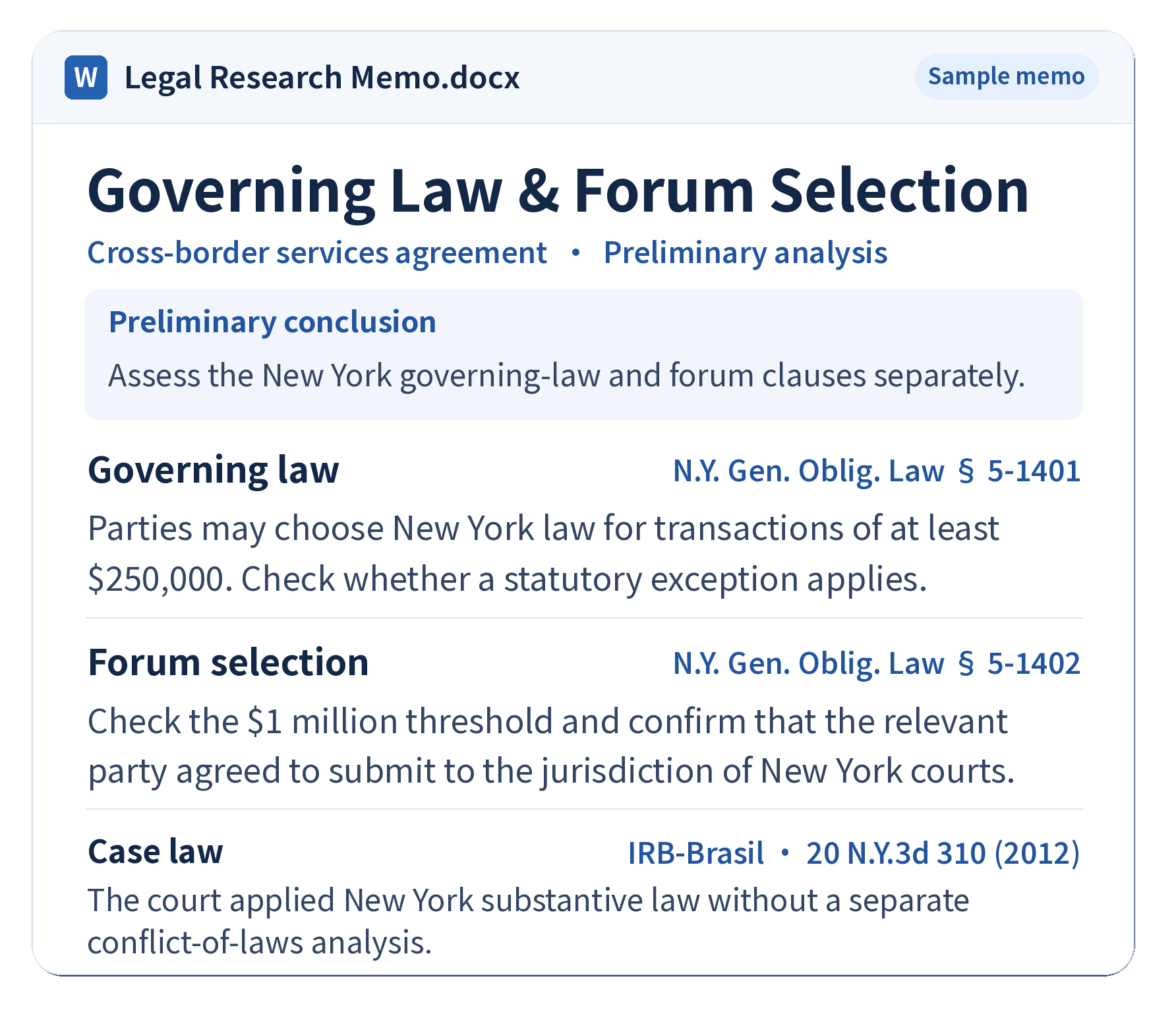
Research currently focuses on the U.S. and China. For U.S. matters, specify federal law, the law of a particular state, or both. Legal Data Hunter is the main integration for U.S. and other jurisdictions. Alloomi’s included research services require no separate database subscription. Coverage depends on the jurisdiction, court, topic, and available sources.
Open the citation next to the conclusion to check the source, date or version, and relevant passage when available. The report distinguishes public authorities from matter files and information you supplied. Access to full opinions and PDFs depends on the source and its permissions.
Alloomi identifies which conclusions are affected. It can ask for a key fact, analyze scenarios under stated assumptions, or look for another source. If authorities differ, it compares their weight, dates, and applicability. Unresolved material issues stay flagged for review.
Yes. Specify the jurisdictions and questions to cover. Alloomi can organize the analysis by jurisdiction, then compare implications for the deal structure, approvals, and timing. The governing-law clause helps define the scope, and other issues may call for a different body of law.
Yes. Alloomi can identify which assumptions, analyses, citations, and related documents are affected. Reuse the work that still applies and keep a record of what changed.
Start with instructions, an earlier draft, or your team’s template. Alloomi can turn client requirements, negotiated terms, and research you’ve reviewed into contract language or an exhibit. It flags open terms in the draft so you can resolve them before delivery.
Specify the deliverable, the terms already agreed, and the template or language you want to keep.
Put agreed terms into the document. Flag open amounts, dates, and wording where they affect the draft.
Resolve the open points, revise the text in Word, and export a working draft for the next round.
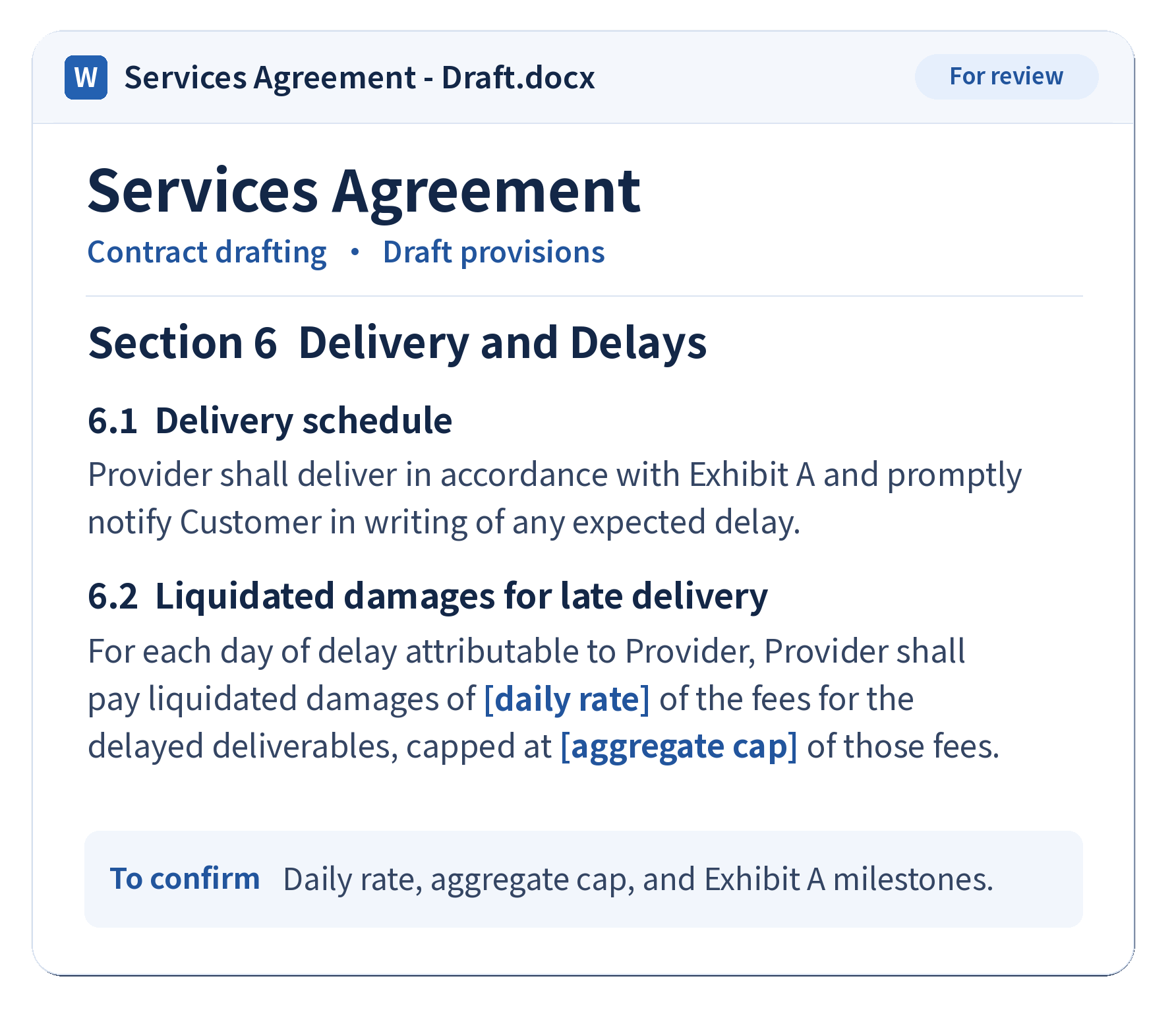
Yes. Share the template, prior draft, or client requirements and specify which provisions or formatting to retain. You can also start from instructions and matter materials alone.
Yes. Share the memo you reviewed or the decisions already made for the matter, and specify the document you want to prepare. Open facts or terms can stay marked for review.
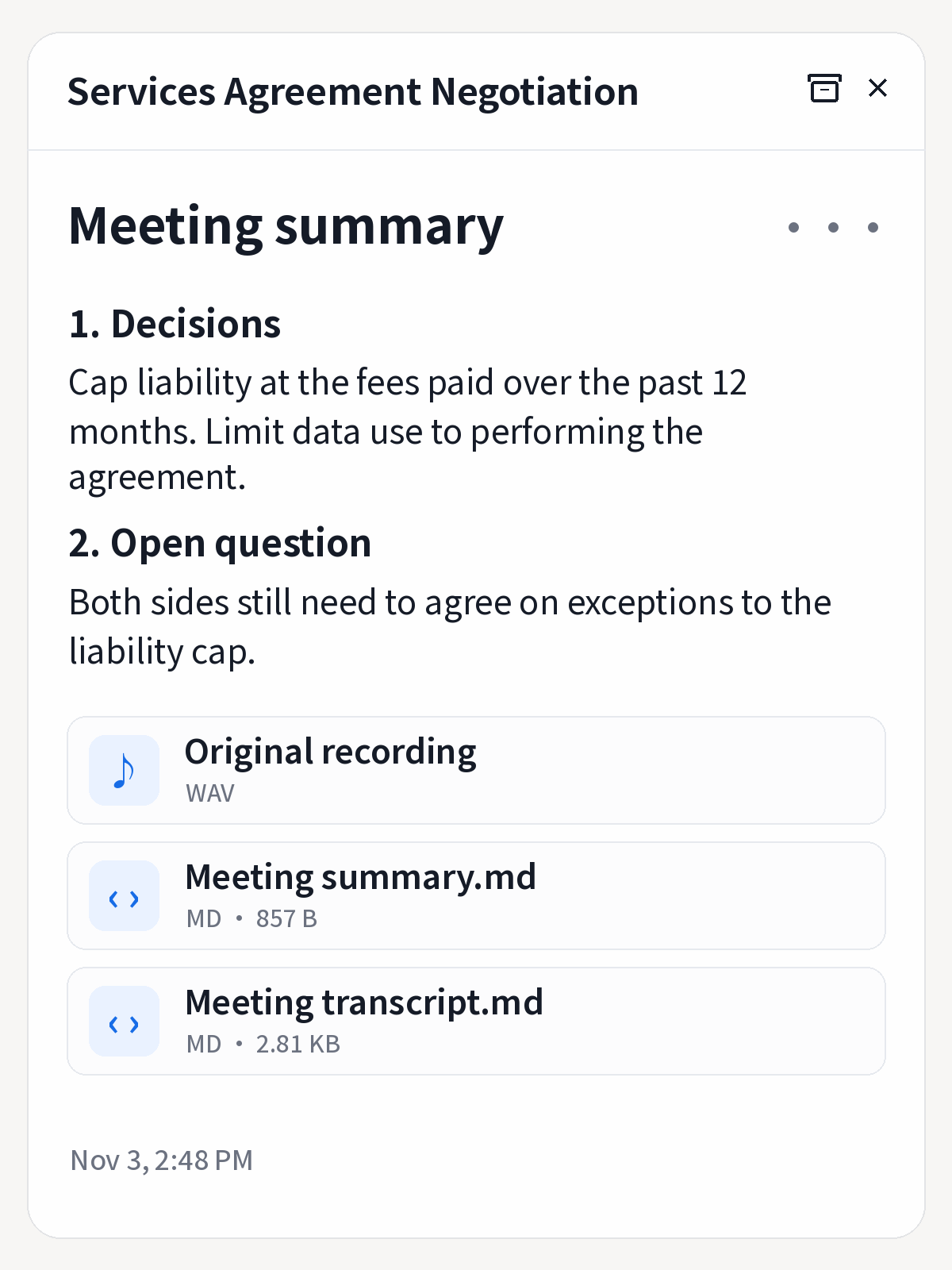
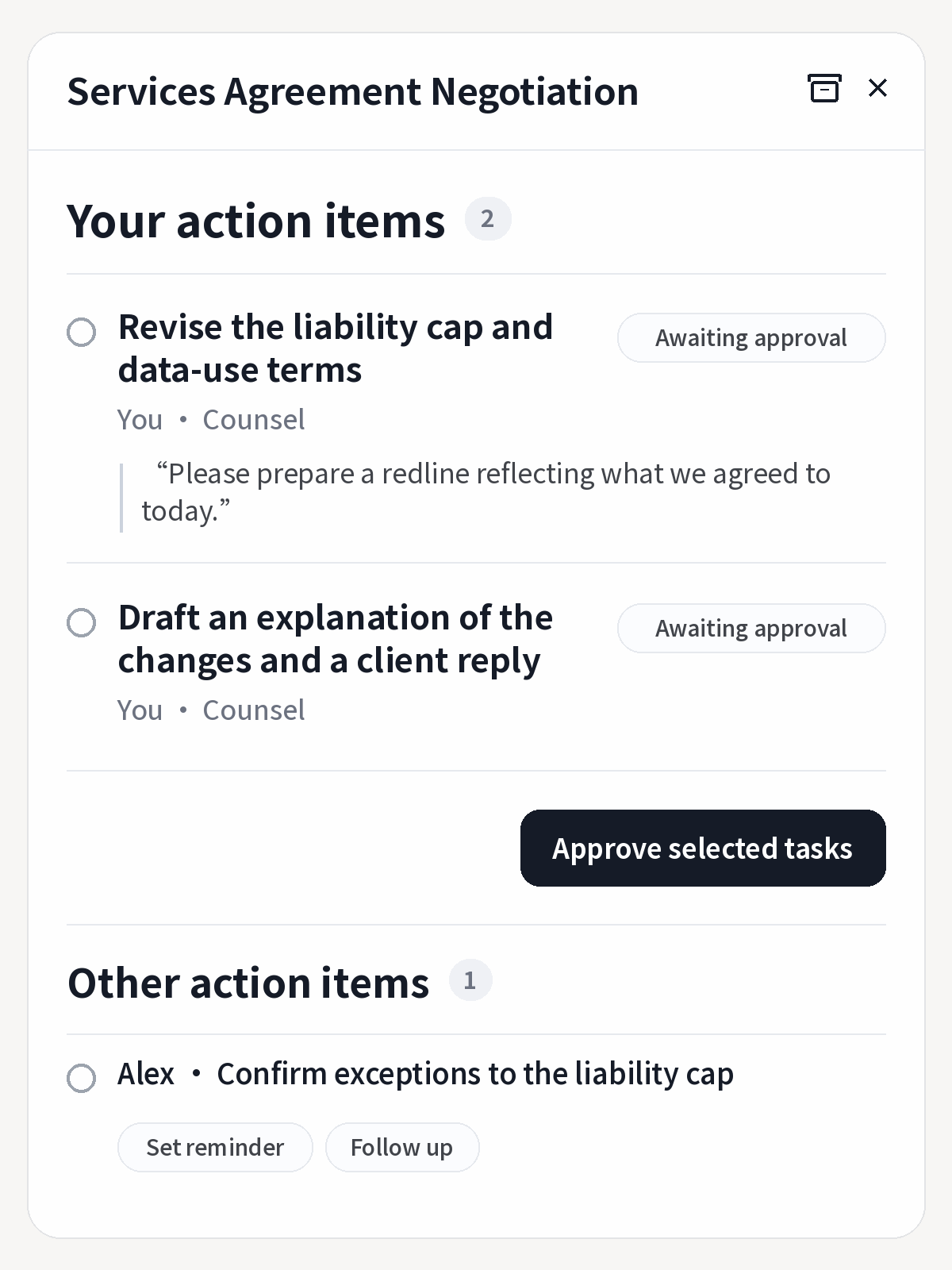
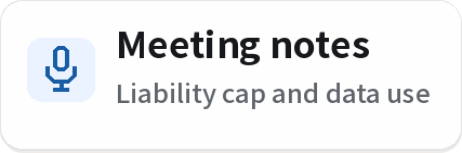
Get a summary of what was decided, what’s still open, and who owns each next step. If the parties agree to limit data use to performing the agreement but leave exceptions to the liability cap open, you can verify the discussion and approve the next redline or client reply.
Alloomi can detect a meeting in progress and prompt you to record. Once you approve, it captures the discussion and identifies speakers for you to verify afterward.
Separate agreed revisions from issues still open, with the recording and transcript available to check the original discussion.
Distinguish your tasks from other people’s work and unresolved decisions. Check the source, then approve the work or set a reminder.
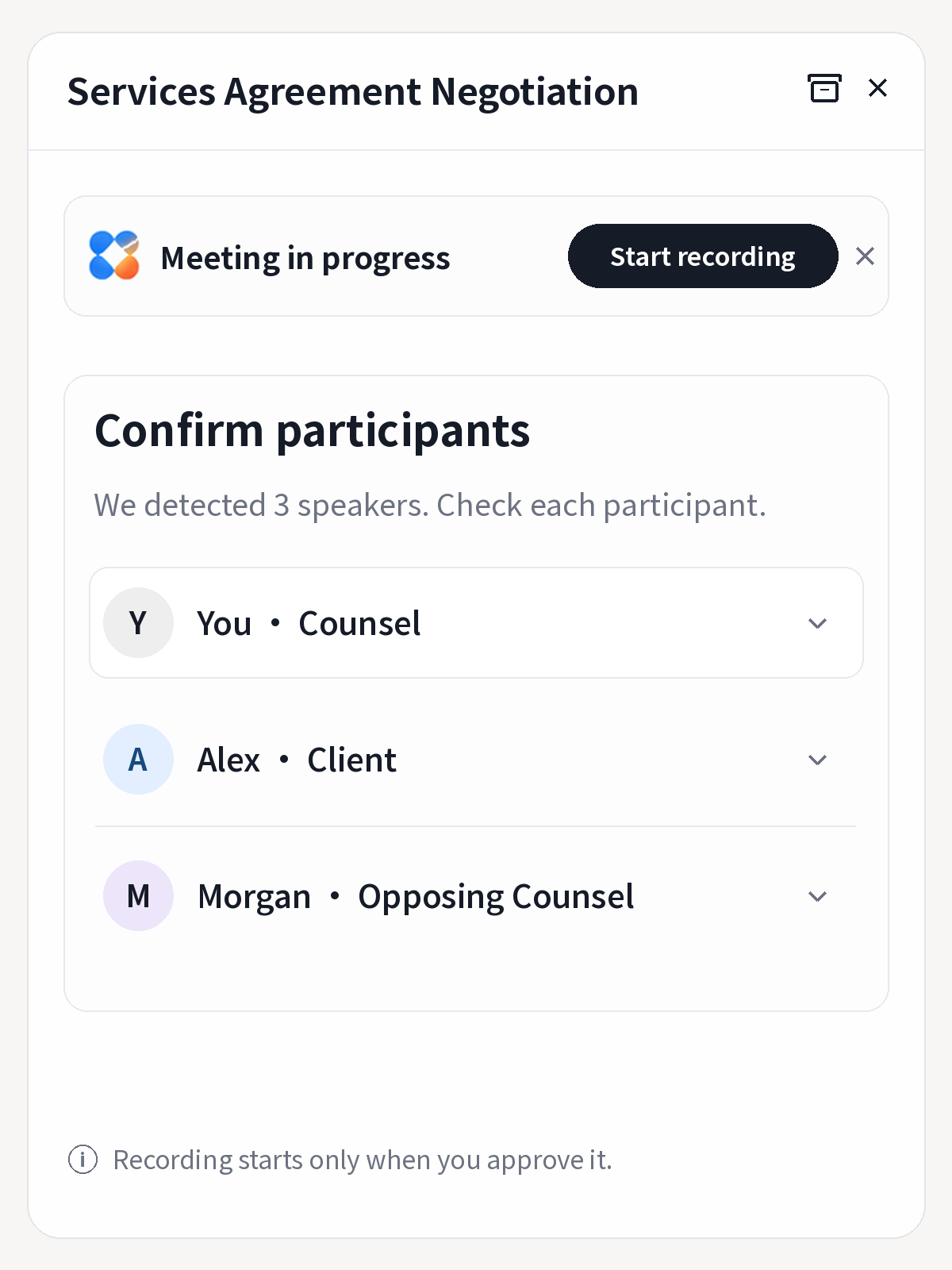
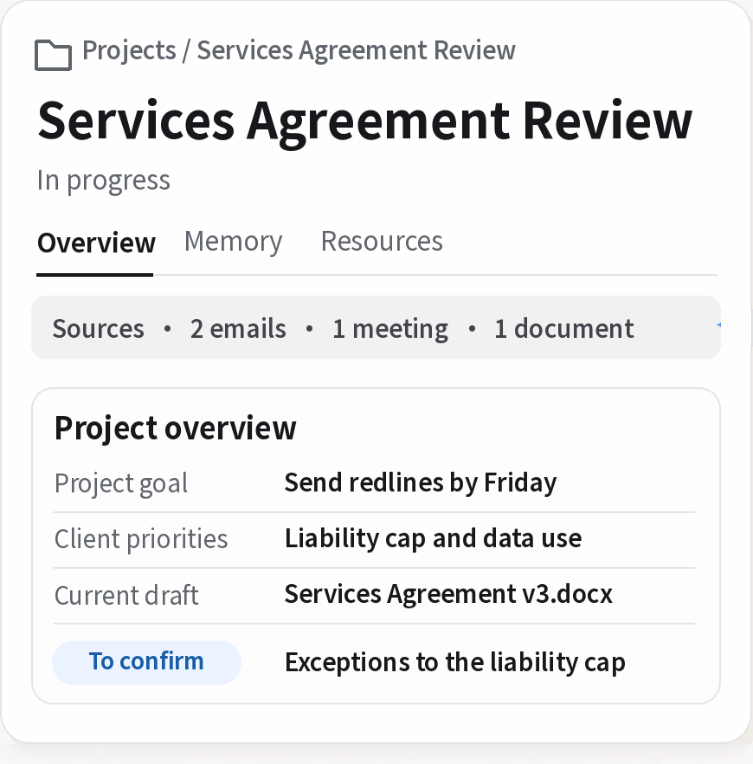
Yes. Link the recording, notes, transcript, and action items to the matter. Revisit the decisions and follow-up there without exporting and filing each item separately.
Compare new emails, decisions, and drafts with the matter history. If opposing counsel accepts the liability cap and adds a data-use exception, Alloomi can flag the new language against the agreed restrictions so the negotiating team knows what to revisit.
Link new client instructions, negotiation feedback, or drafts and retain the source and version.
Flag how new exceptions differ from prior decisions. Update open issues and deadlines.
See what needs attention and why. Confirm the scope for the next round.
Review the next redline or client reply and keep the outcome with the matter.
Keep facts, decisions, versions, deadlines, and open tasks together. When a new message comes in, see which tasks it affects without having to reconstruct the matter history.
Use edits, decisions, and feedback on results to improve workflows after validation. Keep track of which clients and matters each rule applies to.
Security and control
Choose the files you provide and the accounts Alloomi can access.
Alloomi protects work content through encrypted transfers, controlled storage, and safeguards for sensitive information.
Review proposed edits and drafts, then decide what to use. You make the final professional judgment.
Alloomi works within the permissions you grant for connected apps and files. Access is denied by default, limited to what’s needed, and checked on the server.
You decide when to record meetings, run tasks, and send emails. Review edits and draft replies before sharing them.
Safeguards include secure transfers, encryption for stored sensitive data, access controls, and logs of key actions.
Alloomi uses the content you provide to deliver the service, including summaries, review suggestions, and drafts. We may use eligible de-identified or aggregated information for analytics and service improvements. Privacy Policy ↗